
Dealing with SIBO and food chemical sensitivities, my diet has needed to change frequently over the past few years, but one part of my food prep routine has remained the same – I always soak rice before cooking it.
In this blog post I’ll show you how I prepare brown rice prior to cooking, but I use the same method for the other low oxalate and microbiome nourishing grains and legumes I eat: oats, black rice, red rice, wild rice, millet, sorghum, mung beans, lima beans, chick peas, and lentils.
Why Soak Rice?
Like fermentation, soaking is a way to transform grains into a more nutritious and easily digestible form, reducing the amount of active lectins that might bother some people.
Since I already have a longer-than-I’d-like list of foods that I have to avoid, I try not to remove any that I easily tolerate – and I also try to maximize the number of plant foods in my diet to help restore my gut microbiome after developing gut dysbiosis.
For me, rice is a belly-friendly food – especially if I soak it before cooking it.
Cultures that have eaten rice throughout their histories practice this preparation method too, having gained knowledge of what makes food healthier over centuries (or more) of experimentation.
Soaking rice really isn’t hard – but it does require a bit of forethought, and just a tad more work. It’s worth it though.
Starting Your Soak
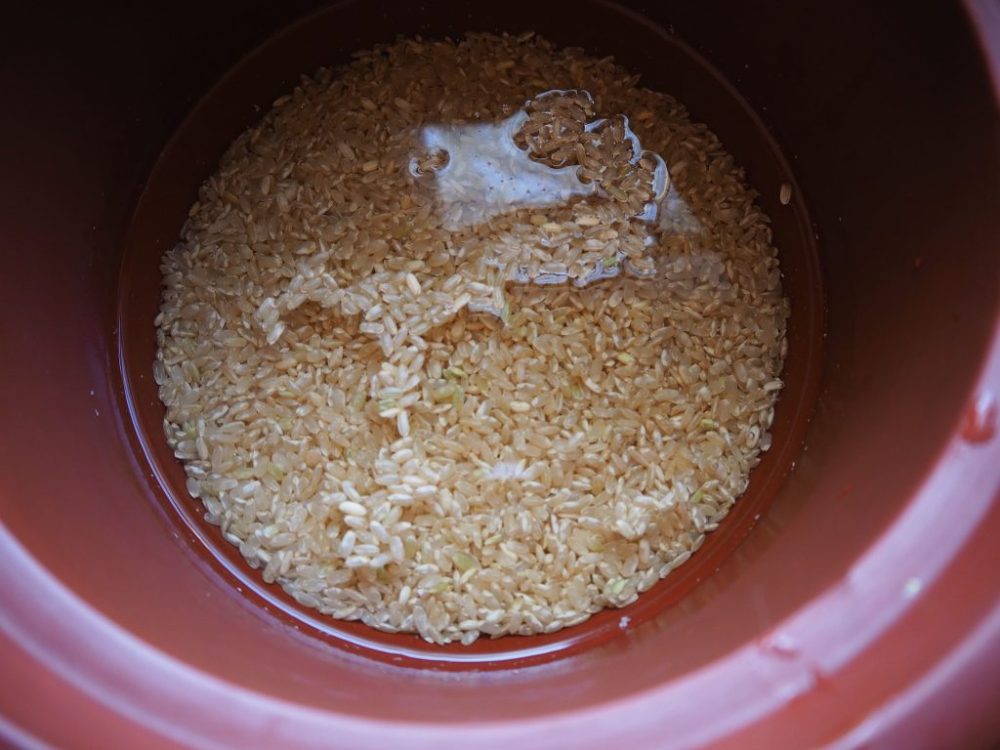
Simply pour the amount of rice you’d like to cook into a glass or ceramic bowl – or a mason jar, and cover with water. I cover mine so that I have about an inch of water over the surface of the rice. Then cover the bowl with a plate or dish towel, to keep bugs and dust out.
I soak my rice directly in the bowl of my rice cooker, which is made from terra cotta.

I don’t recommend soaking rice in pots that are aluminum or non-stick, as you should try to minimize your exposure to both aluminum and the chemicals that are used to coat non-stick cookware.
You can soak rice in a stainless steel pot, although there can be some damage done to stainless steel when water is left in it for long periods, so this is not the ideal container. Stainless steel can also be problematic for those with nickel allergy.
How Long to Soak Rice
Ideally, you should soak rice for at least eight hours – I like to soak my rice for 12-24 hours.
Eventually soaking will transition into fermentation if you let it go long enough or the temperature is warm enough. The amount of time you can soak it before souring begins will depend on the conditions in your home, with warmer temperatures encouraging grains and legumes to ferment more quickly.

If I need to soak my rice for longer than 24 hours, I change out the water.
While rice is soaking, I place my bowl in a cupboard where it’s out of the way – particularly out of the way from my curious cats and counter-surfing dog, Leo.
If you choose to do the same, placing your bowl out of view, you may want to set an alarm on your cell phone to remind yourself about your awakening grains, at least until you get into a routine with the process.
Drain the Soaking Water
I always drain my soaking water before I cook my rice.
Some oxalate and other anti-nutrients are water soluble and will leach out into the water during soaking – so discarding soaking water helps lower oxalate content somewhat.

Here’s how I drain my soaked rice:
At my kitchen sink, I place a sieve into a bowl, and pour the rice into the sieve. Then I discard the soaking water, place the filled sieve back into the bowl, add some fresh water and swish the rice around. And repeat until the water seems clean.
Performing this step without the bowl is certainly doable, but it can be a bit awkward. With the bowl there, your risk of accidentally dumping your grains into the sink gets reduced to practically nil. (Yes, I’m speaking from experience!)
Alternatives to Soaking Rice
Admittedly, soaking rice is not an option if you decide you want to have rice asap and you forgot to plan.
There is an alternative that will provide you with the same advantages – it’s possible to buy this grain sprouted.
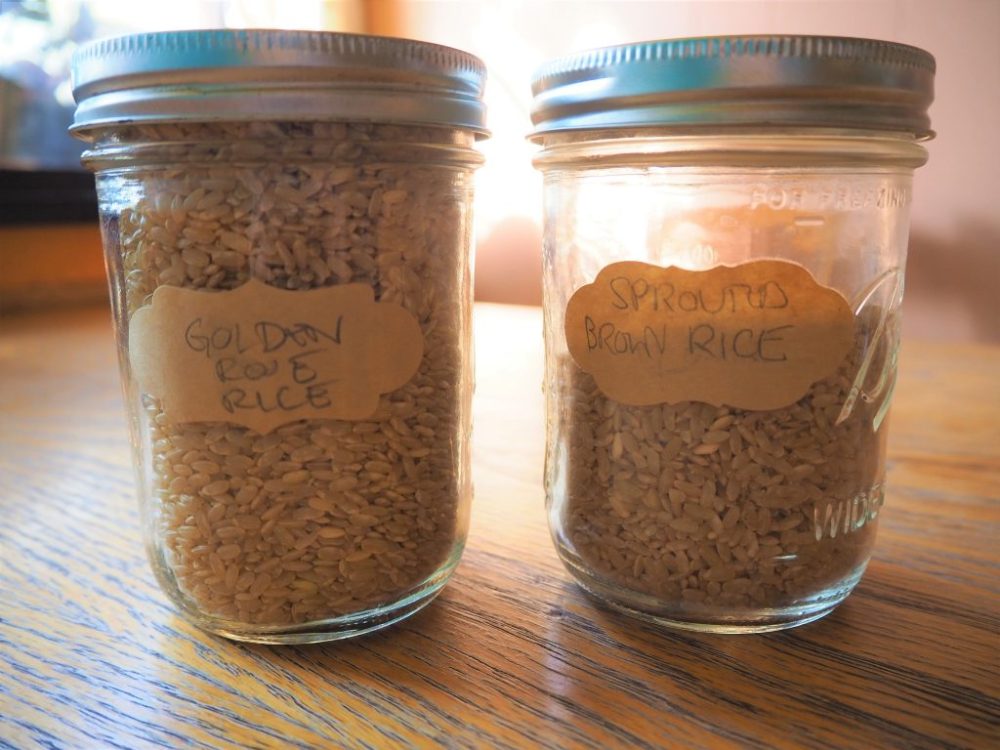
Sprouted rice, also called GABA rice, has been taken through a sprouting process before you buy it. It looks like non-sprouted rice, but has improved nutritional content and is better digested – on par with soaked rice.

I like to keep sprouted rice on hand as well as non-sprouted for the moments when I decide what’s for dinner at the last minute.
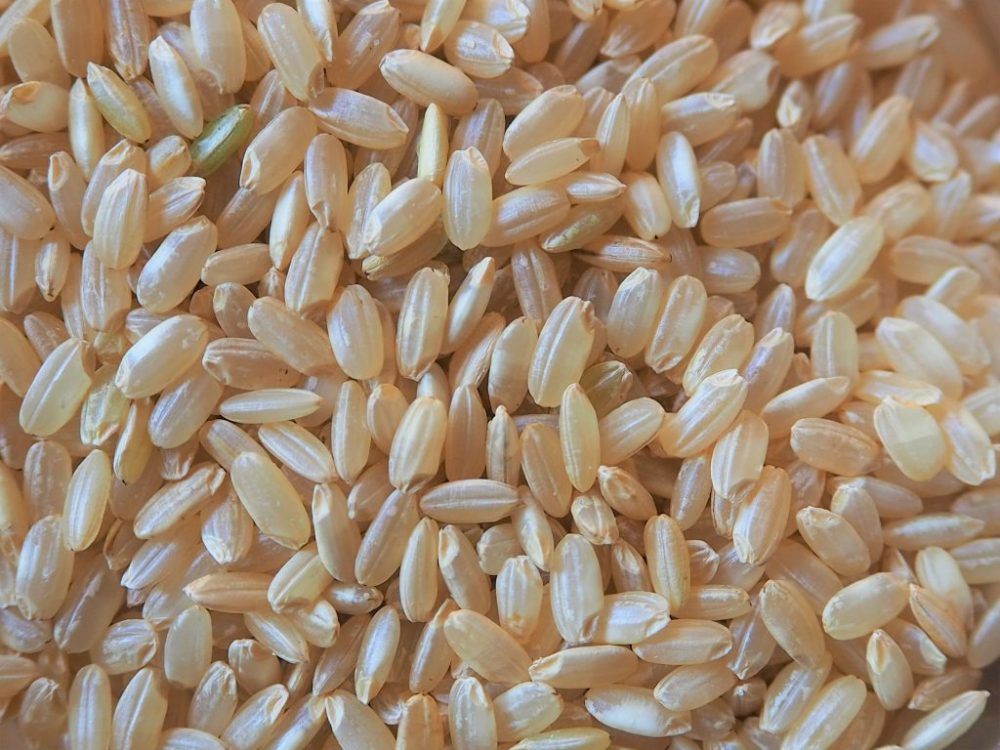
While every once in a while I will cook sprouted rice without soaking it, these days I tend to go ahead and soak it.
And honestly, I do enjoy the soaking process – I like seeing my grains of rice plump up.
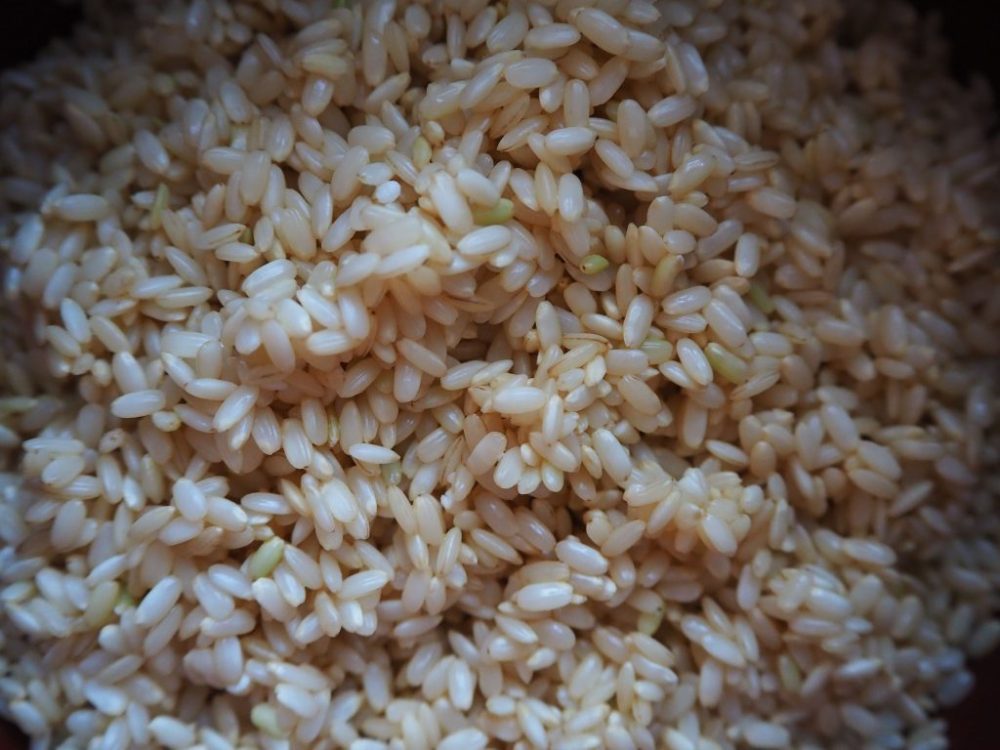
Plus, I’m ready for any chance to see the transformative processes of nature at work.
Cooking Soaked Rice
Since the rice has been rehydrated by the soaking process, you’ll notice that it will cook a bit faster than unsoaked rice, and won’t need as much cooking water. Once my soaked grains are in the terra cotta cooker, I add enough water to cover the grains.
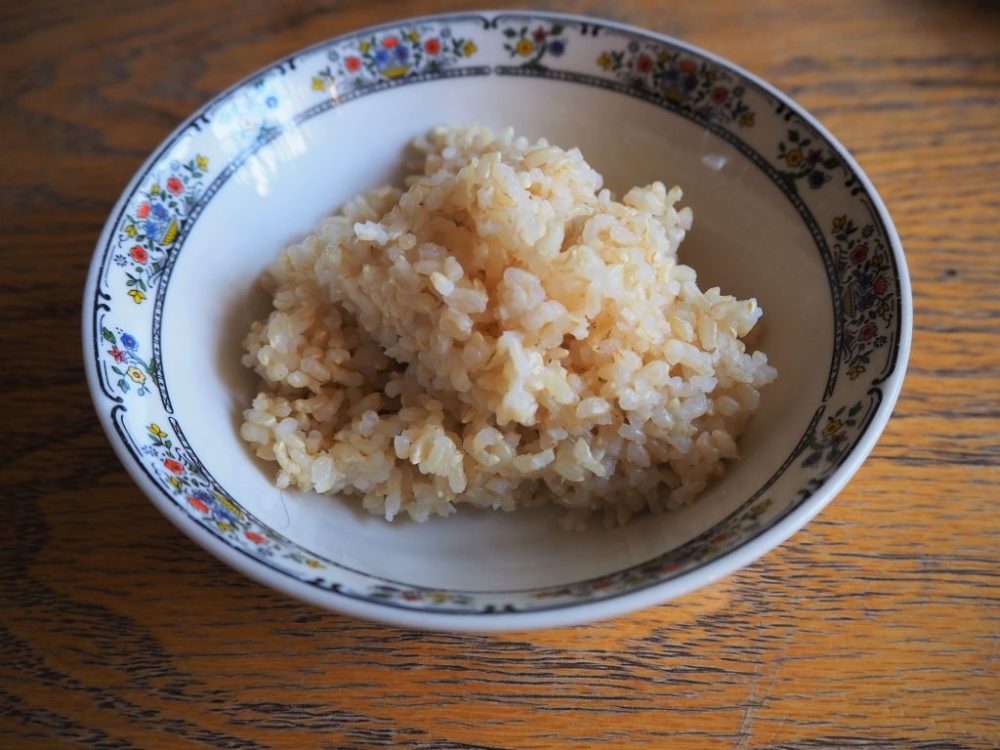
If you soak your rice for a long time (for me this is 24 hours), you may notice a slight sour taste to it after it’s cooked, indicating it has started to ferment.
If you have any questions about the process, please leave me a comment. I’d love to hear from you.
Originally published Oct 3, 2020. Updated February 24, 2024.
 Hearthwilde
I left my brown rice to soak and forgot it… 36 hours and it started fermenting ie smell and gas and water leaving the glass jar. It just got fermented correct? So i can rinse really well and eat it correct? I hope the experts know because i have no clue! Thanks Patricia
LikeLike
Hi Patricia, I’ve certainly done that before! When this happens, I just smell the rice. If it smells kind of like sourdough starter (ie, fermented), yes, it’s still safe to rinse, cook and eat! If you smell it and it smells bad, I would feed it to the compost and start over. The amount of time soaked isn’t the only factor – it also depends on how warm it is in your home. Rice soaked at warmer ambient temperatures will start to ferment more quickly. On the other hand, if the room is cooler, it will take longer to switch from just soaking to actually fermenting. Hope this helps!
LikeLike
Thank you
can I use soaked water as mask for my hair/face?
LikeLike
Thank you, this was just the explanation I needed.
LikeLike